
WHO Calls for Stronger Alcohol Control to Improve Road Safety in Africa
The World Health Organization (WHO) is calling for stronger alcohol control measures and stricter road safety policies to reduce rising fatalities and injuries linked to alcohol use.
In a recent feature, the global health body highlighted the growing burden of alcohol-related harm, particularly in Africa, where alcohol-attributable deaths remain among the highest in the world.
WHO estimates that alcohol contributes significantly to road crashes, impairing drivers’ judgment, coordination, and reaction times factors that increase both the likelihood and severity of accidents.
Rising public health concern
Road traffic injuries continue to pose a major global health challenge, with approximately 1.19 million people dying each year in crashes worldwide.
A substantial share of these incidents is linked to alcohol consumption, making drink-driving a key target for policy intervention. Research indicates that alcohol is associated with a notable proportion of road traffic deaths globally, reinforcing the need for preventive action.
WHO warns that without stronger policies, population growth and increased alcohol consumption could lead to even higher levels of harm in many countries.
Call for coordinated policy action
To address the issue, WHO is promoting its SAFER initiative, a framework designed to help governments reduce harmful alcohol use and improve road safety outcomes.
The initiative outlines key interventions, including:
- Strengthening restrictions on alcohol availability
- Enforcing strict drink-driving laws and blood alcohol limits
- Expanding access to treatment for alcohol use disorders
- Banning or limiting alcohol advertising and promotion
- Increasing taxes to reduce affordability of alcoholic beverages
WHO says these measures are among the most effective ways to reduce alcohol-related harm and prevent crashes involving impaired drivers.
African countries step up collaboration
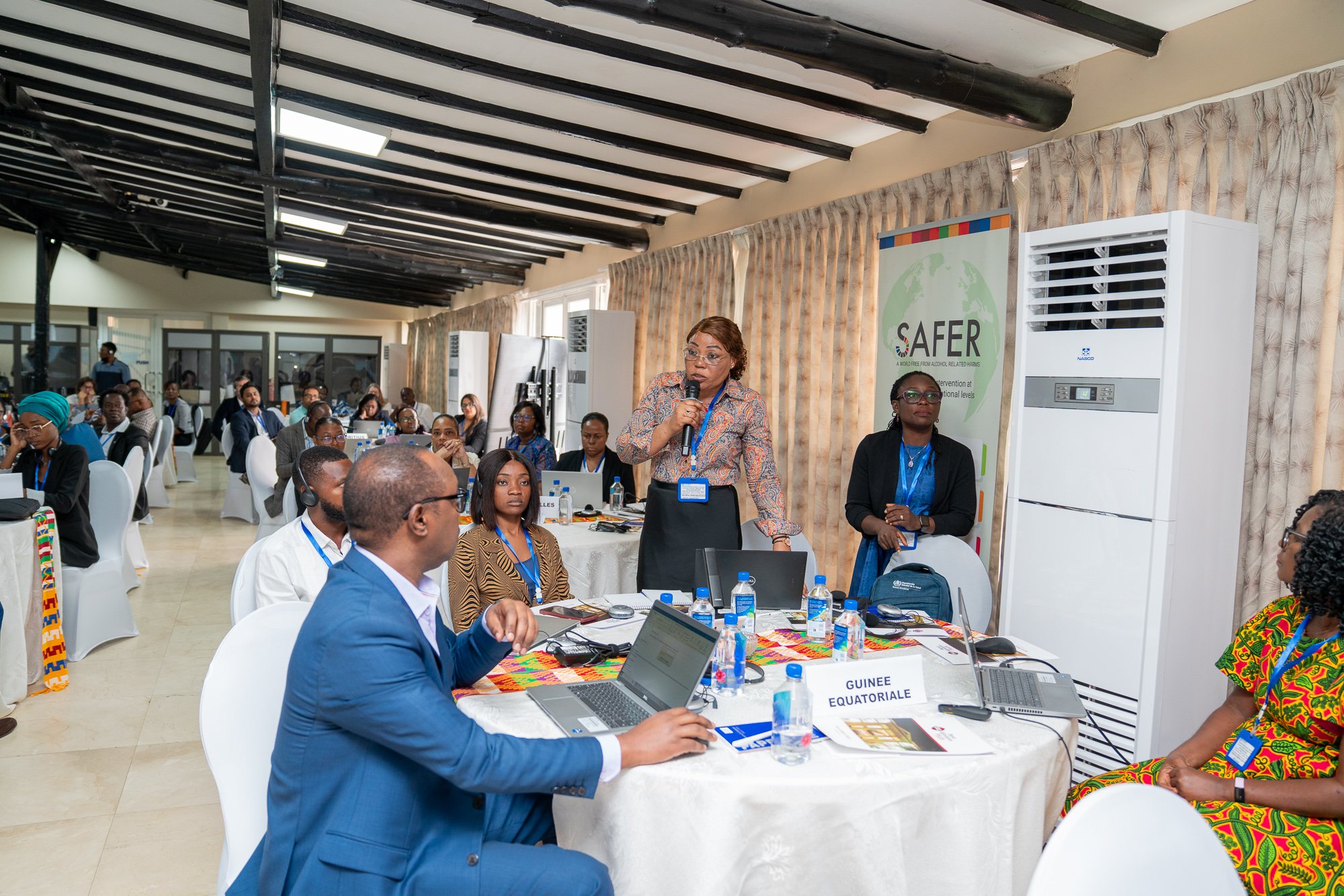
Efforts to strengthen these policies were recently advanced during a WHO-led workshop held in Accra, Ghana, which brought together representatives from 15 African countries.
Participants from sectors including health, transport, finance, and justice discussed strategies to improve enforcement of alcohol regulations and adopt road safety measures tailored to local contexts.
The organisation emphasised that tackling alcohol-related harm requires coordinated action across government agencies, as well as engagement with communities and civil society.
Balancing growth with safety
While alcohol consumption remains lower in some African countries compared to global averages, WHO notes that drinking patterns among users can be more harmful, increasing risks on the roads and in communities.
Public health experts argue that stronger legislation, enforcement, and awareness campaigns are essential to change behaviours and reduce preventable deaths.
Outlook
WHO maintains that effective alcohol control policies, combined with road safety measures, could significantly lower crash rates and save lives.
As countries work toward global targets to halve road traffic deaths by 2030, the organisation says prioritising alcohol-related risk factors will be critical to achieving safer roads and healthier populations.